01
Memory begins early
Memory systems develop before birth, although early memories are not usually available as detailed autobiographical recollections later in life.
Memory in everyday life
Memory helps us learn, recognise patterns, connect experiences, and make plans. These clear facts introduce how memories are formed, retrieved, strengthened, and sometimes changed.

Key points
Memory is not a single filing cabinet. It is a set of connected processes that help the brain take in information, keep it available, and use it later.
Memory systems develop before birth, although early memories are not usually available as detailed autobiographical recollections later in life.
Without rehearsal or attention, information held in working memory may fade within seconds. Distraction can make recall harder.
The brain does not work like a computer with a simple storage limit. Memories are represented across changing networks of connected cells.
Caffeine can increase alertness for some people, but feeling more awake does not automatically guarantee stronger learning or recall.
Sleep helps the brain process and stabilise learning. Rest is part of remembering, not simply time away from study.
Some changes in recall are common with age, but memory is influenced by health, attention, activity, sleep, and many other factors.
A scent can become linked with a place, person, or event. Later, the same smell may prompt a strong feeling or recollection.
Recall is an active process. Details may become less precise or be reshaped by later information, especially when an event was stressful.
Retrieving information, spacing practice, and making meaningful links can support learning by reinforcing useful neural pathways.
How memory works
Attention helps select information from the many sights, sounds, and ideas arriving around us.
The brain links new information with meaning, emotion, movement, language, and earlier knowledge.
Practice and useful cues make it easier to bring a memory back when it is needed.
Learning in action
Curiosity, rest, movement, conversation, and repeated practice can all support learning in age-appropriate ways.
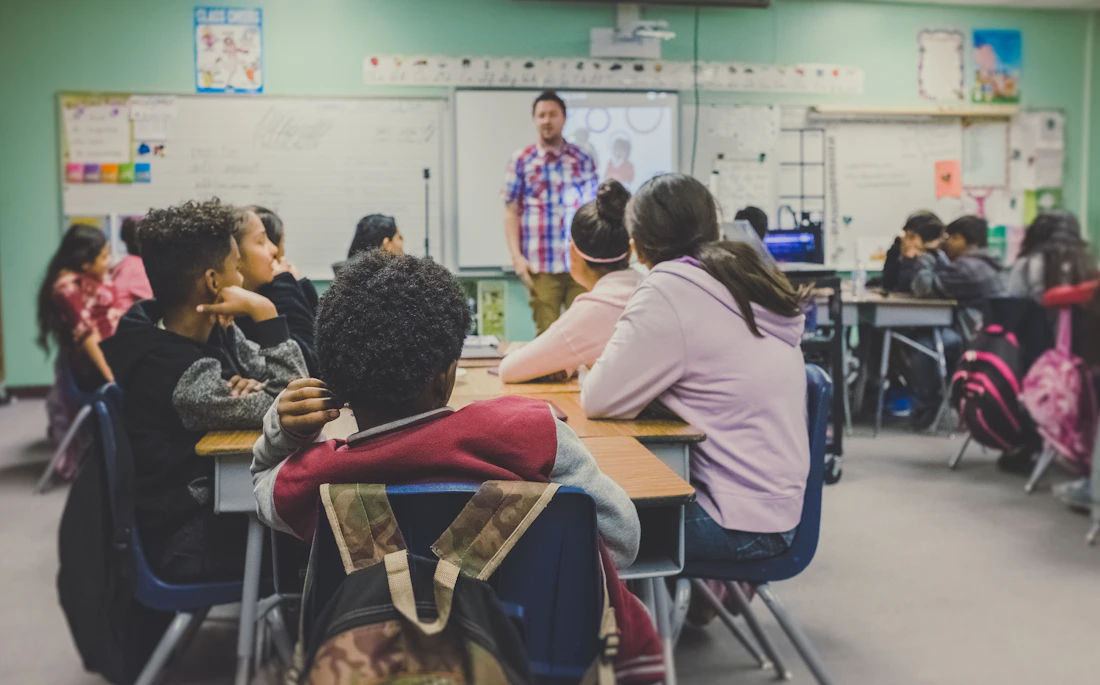
 Hands-on practice creates useful cues
 Writing helps organise a thought
 Rest gives the brain time to process
 Conversation builds associations
Continue learning
Use these related guides to explore the structures and habits that help explain remembering.
An introduction to the main kinds of memory and the role they play in learning.
Explore how information can be held briefly and used during an active task.
Learn how knowledge, skills, and experiences can remain available over time.
Meet a brain structure involved in forming and organising many new memories.
Helpful questions
These answers keep the facts practical while recognising that memory differs from person to person.
Information may remain available for only a few seconds without attention or rehearsal. Working memory can hold and use information during an active task, but its capacity is limited.
Yes. Sleep supports the processing and stabilisation of learning. A regular sleep routine is one useful part of healthy learning habits.
Yes. Smells can become strongly associated with people, places, and events, so a familiar scent may later prompt a related recollection or feeling.
Regular physical activity supports general health and can contribute to conditions that help attention, mood, and learning. It is not a guarantee of perfect recall.
No. Remembering is constructive. A recollection can preserve important meaning while some details shift or become less certain over time.
No. This is an educational overview. For concerns about memory, development, or health, speak with an appropriately qualified professional.
Questions about the site
For general website enquiries, contact the Brain Made Simple team.